

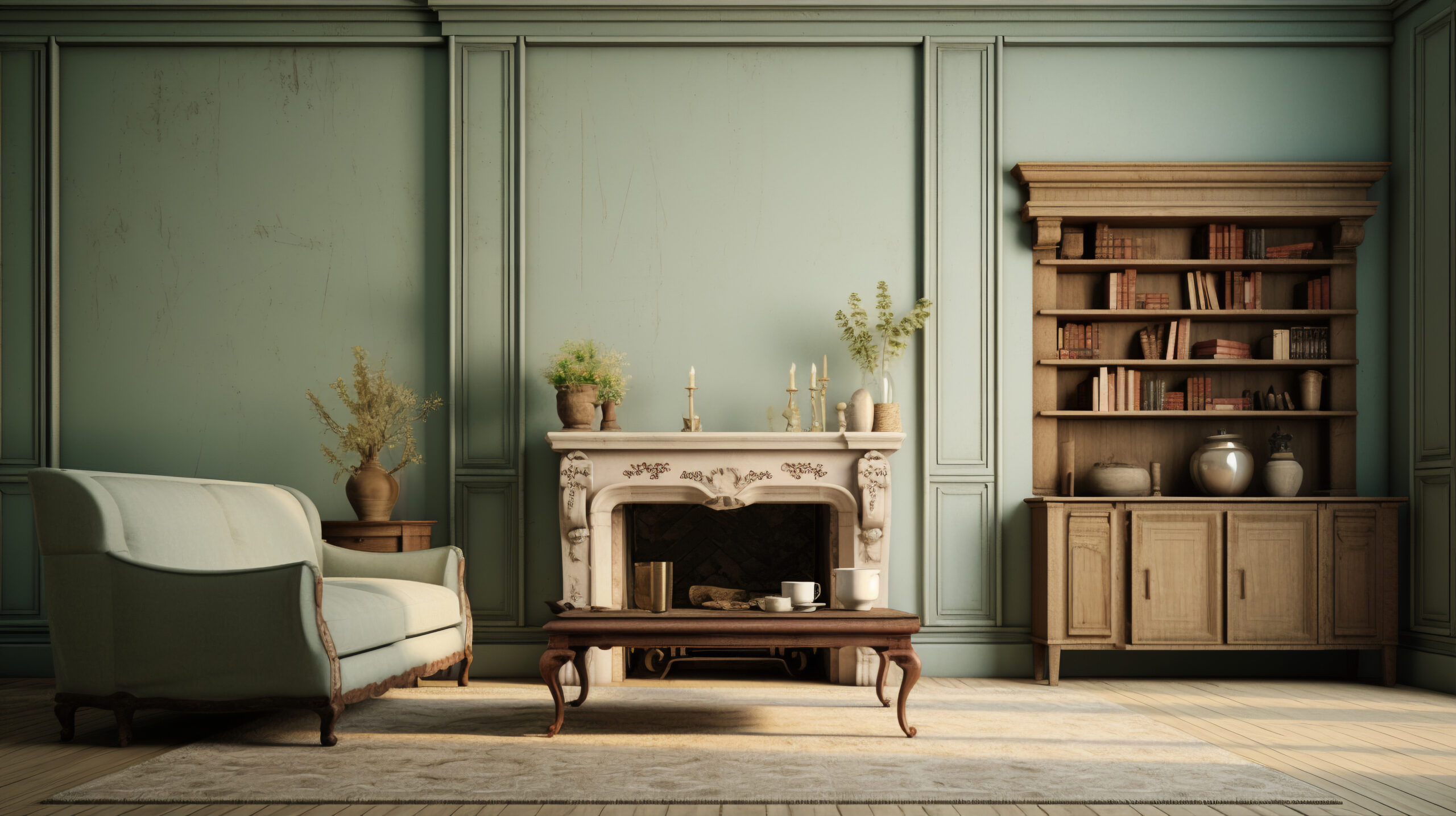
The Victorian era was a time of grandiosity, romance, and intricate detail. Today, bringing that aesthetic into a living room creates a space that feels both historic and luxuriously comfortable. Whether you want a museum-quality reproduction or a modern twist on the classic, this guide covers everything you need to know about designing a Victorian living room.
1. Victorian Living Room Design Overview
Introduction to Victorian Interior Style
The Victorian era (1837–1901) coincided with the reign of Queen Victoria and the Industrial Revolution. This period saw a shift away from simplicity toward opulence. A Victorian living room is designed to impress guests while providing a cozy retreat for the family. It is characterized by “more is more”—layering patterns, textures, and objects to create a rich visual experience.
Key Characteristics
- Orateness: Elaborate carvings on furniture and molding.
- Clutter: A purposeful collection of knick-knacks, photos, and books.
- Romance: Soft fabrics, floral patterns, and warm lighting.
- Verticality: High ceilings emphasized by tall windows and curtains.
Popular Color Schemes
Victorian palettes were often dictated by the availability of pigments. Early Victorian rooms used lighter tones, while the mid-to-late era favored deep, moody colors like burgundy, emerald green, navy blue, and rich gold.
2. Essential Furniture for a Victorian Living Room
Furniture acts as the anchor of the Victorian aesthetic. It is heavy, dark, and beautifully crafted.
Victorian Sofas and Settees
The centerpiece is usually a “Chesterfield” sofa with deep button tufting or a “Camelback” sofa with a curved wooden frame. Fainting couches (chaises) are also iconic, designed for lounging in corseted dresses.
Ornate Coffee Tables & Accent Chairs
Coffee tables were not standard in the 1800s, but today, a low, marble-topped table with carved mahogany legs fits perfectly. Pair this with “Balloon Back” chairs or winged armchairs upholstered in velvet.
Display Cabinets & Materials
To showcase china or collectibles, a glass-fronted curio cabinet is essential. Look for dark woods like mahogany, walnut, and rosewood. Finishes should be polished to a high sheen to reflect the warm lighting of the room.
3. Victorian Living Room Color Palette Ideas
Traditional vs. Modern Combinations
Authentic Victorian rooms often utilized a triadic color scheme. For example, a room might feature sage green walls, ruby red upholstery, and gold accents.
Wall Paint and Wallpaper Choices
If you prefer paint, choose matte finishes in deep hues like plum, teal, or ochre. However, wallpaper was the true hallmark of the era. Look for damask, toile, or heavy floral prints.
Ceiling and Trim Colors
Never leave the ceiling plain white. Victorians often painted ceilings in soft creams or lighter shades of the wall color. Trims, crown molding, and baseboards were often painted in darker, contrasting colors or stained in natural dark wood tones.
4. Victorian Living Room Decor Elements
Artwork and Framed Portraits
Walls should be gallery-style. Hang oil paintings (landscapes or portraits) in heavy, gilded frames. Do not be afraid to group many small pictures.
Mirrors and Wall Decor
Large mirrors over the fireplace mantel help bounce light around the room, making it feel larger and brighter. Mirrors with intricate gold leaf frames are ideal.
Rugs and Carpets
Floors were typically hardwood covered by large area rugs. Persian or Oriental rugs with intricate geometric or floral patterns in deep reds and blues are the standard choice.
5. Victorian Living Room Lighting Guide
Lighting sets the mood. The goal is to mimic the soft glow of gaslight or candlelight.
Chandeliers and Ceiling Lights
A crystal chandelier is the crown jewel of the room. Alternatively, brass fixtures with glass shades (often etched or colored) work beautifully.
Table and Floor Lamps
Use Tiffany-style stained glass lamps or lamps with fabric shades and fringes to diffuse light.
Creating a Warm Atmosphere
Avoid harsh white LED bulbs. Use warm-toned bulbs (2700K). Wall sconces placed on either side of a mirror or fireplace add symmetry and a soft, ambient glow.
6. Victorian Living Room Wallpaper and Wall Treatments
Popular Patterns
William Morris is the most famous designer of this era; his nature-inspired prints (vines, birds, flowers) are quintessentially Victorian. Damask and flocked wallpapers (which have a velvet-like texture) add luxury.
Wood Paneling and Wainscoting
Dark wood wainscoting covering the lower third of the wall adds gravity and protects the walls. Above the wainscoting, you can apply wallpaper.
Wall Molding
Crown molding, picture rails, and ceiling medallions (rosettes around the chandelier) are architectural must-haves. They add depth and historical accuracy to the room.
7. Modern Victorian Living Room Ideas
You don’t have to live in a museum to enjoy this style. “Modern Victorian” is a trending design movement.
Blending Styles
Mix a vintage velvet sofa with a sleek, modern glass coffee table. This contrast highlights the beauty of the antique piece.
Neutral Color Adaptations
Instead of dark burgundy, paint the walls a soft gray or crisp white, but keep the intricate molding. This makes the room feel airy while retaining the architectural shape.
Contemporary Furniture with Details
Choose modern furniture shapes but upholster them in Victorian fabrics like velvet or brocade.
8. Small Victorian Living Room Styling Tips
Space-Saving Furniture
In a smaller room, opt for “balloon back” chairs which have open backs and feel less heavy than fully upholstered armchairs. Use a tall, narrow bookshelf instead of a wide cabinet.
Light Colors
While dark colors are traditional, they can shrink a room. Use pastel Victorian shades—lilac, mint green, or rose pink—to open up the space.
Visual Tricks
Hang curtains as high as possible (floor to ceiling) to draw the eye up. Use a large mirror to double the visual space.
9. Victorian Living Room Accessories and Textiles
Curtains and Drapes
Window treatments should be dramatic. Use heavy fabrics like velvet or heavy silk, paired with sheer lace under-curtains for privacy. Use tie-backs with tassels.
Cushions and Upholstery
Layer the sofa with embroidered throw pillows. Look for needlepoint designs, fringe details, and tassels.
Fabrics
Texture is key. Velvet, silk, satin, lace, and brocade should all live together in harmony.
10. How to Create an Authentic Victorian Living Room
Researching Authentic Style
Look at historical homes or books on 19th-century design. Understand that the style evolved from Early to Late Victorian, so pick a specific decade to emulate for consistency.
Decor Dos and Don’ts
- Do: Layer rugs and patterns.
- Do: Incorporate a fireplace (or a faux mantle) as the focal point.
- Don’t: Leave large empty spaces; the Victorian look is “cozy clutter.”
- Don’t: Use visible plastic or ultra-modern electronics; try to hide the TV inside a cabinet.
Final Styling Checklist
- Are the colors rich and deep?
- Is there a mix of textures (wood, velvet, glass)?
- Is the lighting warm and soft?
- Do the walls feature art or molding?
By following these steps, you can create a living space that captures the romance and sophistication of the 19th century, perfectly tailored to your home.
