

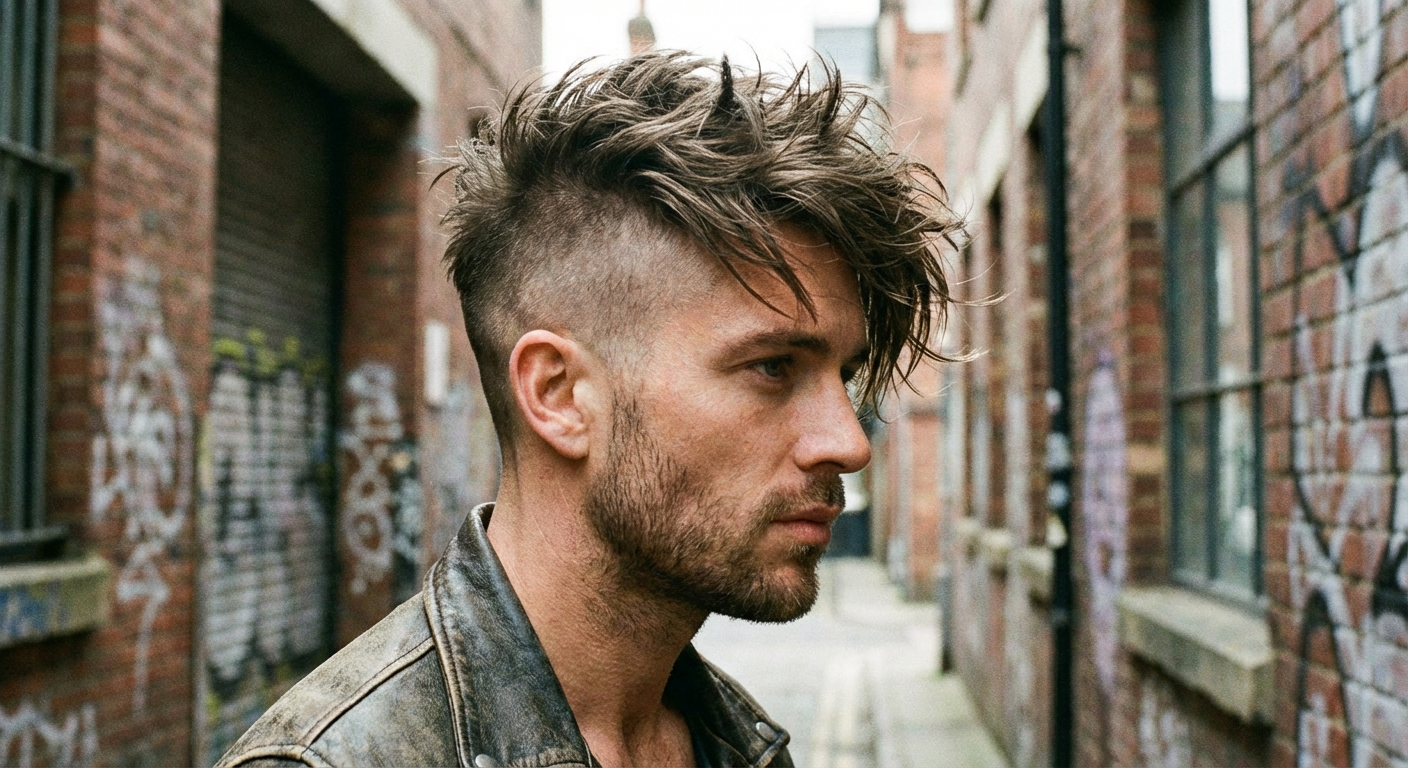
The textured undercut has solidified its place as a cornerstone of modern men’s grooming. It is a hairstyle that bridges the gap between rebellious edge and refined sophistication, making it suitable for professional environments and casual street style alike. Unlike the flat, slicked-back undercuts of the early 2010s, the textured version prioritizes movement, volume, and a “perfectly imperfect” finish.
Understanding the Anatomy of the Textured Undercut
At its core, the textured undercut features a sharp contrast between the sides and the top. The sides and back are clipped very short—often using a skin fade or a consistent guard length—while the hair on top is left significantly longer. The defining characteristic, however, lies in the “texture.” This is achieved through specific cutting techniques such as point cutting, thinning shears, or razor work to create layers that stand independently rather than lying flat.
Why Texture Matters
Texture adds dimension. Without it, long hair on top can look heavy or lifeless. By removing bulk and creating varying lengths within the top section, the hair becomes easier to manipulate. This allows for that coveted “tousled” look that appears effortless but is actually the result of intentional craftsmanship.
Choosing the Right Fade for Your Undercut
The “undercut” portion of this hairstyle is not one-size-fits-all. You can customize the intensity of the look by choosing different fade heights:
- The High Fade: This starts near the temples and crown, creating a bold, high-contrast look. It draws maximum attention to the hair on top.
- The Mid Fade: A more balanced approach, the taper begins midway between the temple and the ear. It offers a cleaner transition.
- The Drop Fade: The fade line curves behind the ear, following the natural shape of the skull. This adds a contemporary, artistic flair to the silhouette.
How to Style the Textured Undercut
Achieving the perfect textured look at home requires the right combination of technique and product.
Step 1: Preparation
Start with damp, towel-dried hair. Texture is easiest to build when the hair is clean and free of heavy oils.
Step 2: The Pre-Styler
Apply a sea salt spray or a volumizing mousse. These products provide the “grip” necessary for the hair to hold its shape. Use a blow dryer on a medium heat setting, using your fingers to ruffle the hair and lift it at the roots. Direct the airflow in the direction you want the hair to fall.
Step 3: Defining the Texture
Once the hair is dry, it’s time for the finishing product. For a textured undercut, avoid high-shine gels or heavy pomades. Instead, opt for:
- Matte Clay: Provides a strong hold with a dry finish.
- Styling Powder: The secret weapon for maximum volume and a gritty, modern texture.
- Fiber Paste: Good for those with thinner hair who need a bit more density.
Warm a small amount of product between your palms and scrunch it into the ends of the hair. Avoid applying too much to the roots, as this can weigh the style down.
Matching the Style to Your Face Shape
While the textured undercut is versatile, slight adjustments can harmonize the look with your facial structure:
- Oval Faces: You are in luck. Almost any variation works. You can experiment with extreme height on top without throwing off your proportions.
- Round Faces: Focus on height. By keeping the sides very tight and adding volume on top, you elongate the face and create a more angular appearance.
- Square Faces: Keep the transitions slightly softer. A mid-fade rather than a harsh skin fade can complement a strong jawline without looking too aggressive.
- Long Faces: Avoid excessive height. Instead, let the textured layers fall forward in a “crop” style to reduce the perceived length of the forehead.
Maintenance and Upkeep
The beauty of the textured undercut is its longevity, but the sides require frequent attention. To keep the contrast sharp, a trip to the barber every 2 to 3 weeks is recommended for a “line-up” or fade refresh. The top can be left to grow for 6 to 8 weeks, as the added length often enhances the textured effect.
To maintain hair health, use a clarifying shampoo once a week to remove product buildup from clays and powders. Follow up with a light conditioner to ensure the hair remains pliable and soft to the touch.
The Evolution: Variations of the Textured Undercut
The trend has evolved into several sub-styles that cater to different hair types:
The Textured Crop Undercut
Popularized by European street style, this involves a shorter, blunt-cut fringe that is heavily textured. It is low-maintenance and excellent for men with receding hairlines.
The Curly Textured Undercut
Men with natural curls can utilize the undercut to manage volume. By shaving the sides, the curls on top become the focal point, creating a wild yet controlled aesthetic.
The Messy Quiff Undercut
This version uses more length in the front, styled upward and slightly back. It’s a more romantic, classic take on the trend that works well for date nights or formal events where a bit of “controlled chaos” is desired.
Conclusion
The textured undercut is more than just a haircut; it is a statement of intent. It suggests a man who values grooming but isn’t a slave to the mirror—someone who appreciates the balance between a sharp, disciplined fade and a free-spirited, textured top. By selecting the right products and understanding your hair’s natural movement, you can master this look and make it a signature part of your personal brand. Whether you’re heading into a boardroom or a concert, the textured undercut ensures you do so with confidence and style.
