

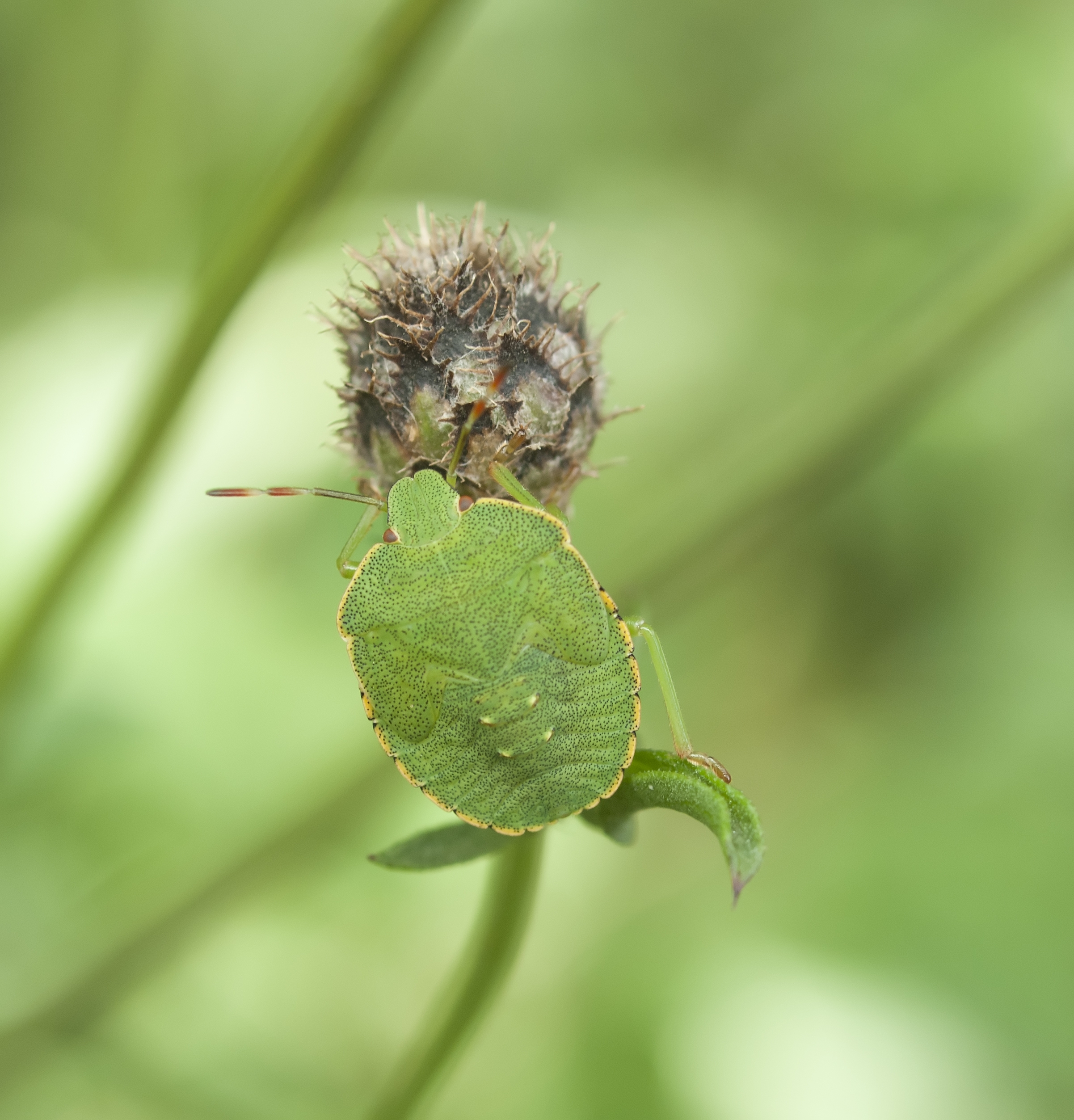
Mealybugs are among the most persistent and frustrating pests encountered by gardeners and houseplant enthusiasts alike. These small, white, cotton-like insects may look harmless, but they are sap-sucking parasites that can quickly weaken or kill a wide variety of plant species. Understanding their lifecycle, behavior, and the most effective control methods is essential for maintaining a healthy green space.
What Are Mealybugs?
Mealybugs belong to the family Pseudococcidae. They are unarmored scale insects found in moist, warm habitats. They are easily identified by the white, waxy, cottony secretion that covers their bodies. This waxy coating serves as a protective barrier against predators and environmental factors, including some pesticides.
[Insert Image 1: Close-up of a white, cottony mealybug on a green leaf]
Unlike many other insects, female mealybugs retain their legs throughout their lives and remain mobile, though they move slowly. Males, on the other hand, are tiny, winged creatures that do not feed; their sole purpose is to find females and mate. Because they are so small and often hide in the crevices of stems and the undersides of leaves, infestations often go unnoticed until significant damage has occurred.
The Lifecycle of a Mealybug
To effectively combat mealybugs, one must understand how they reproduce. A single female can lay between 300 and 600 eggs in a lifetime. These eggs are usually encased in a protective, waxy ovisac.
- Egg Stage: The eggs hatch within 1 to 2 weeks under favorable conditions.
- Nymph (Crawler) Stage: Once hatched, the nymphs—often called “crawlers”—emerge. This is the most mobile stage of their life and the time when they are most vulnerable to treatments, as they have not yet developed a thick waxy coating.
- Adult Stage: After several molts, the insects reach adulthood. In warm climates or indoor environments, mealybugs can reproduce year-round, leading to overlapping generations that make eradication difficult.
Signs of an Infestation
The first sign of mealybugs is often the presence of “white fluff” on your plants. However, there are several other symptoms to watch for:
- Sticky Residue (Honeydew): As mealybugs feed on plant sap, they excrete a sticky substance called honeydew. This can coat leaves and stems.
- Sooty Mold: This black fungus grows on the honeydew. While the mold itself doesn’t kill the plant, it blocks sunlight and interferes with photosynthesis.
- Yellowing and Wilting: As the bugs drain the plant’s nutrients, the leaves may turn yellow, curl, or drop prematurely.
- Ant Activity: Ants are often attracted to the sweet honeydew. In some cases, ants will actually “farm” mealybugs, protecting them from predators in exchange for the nectar.
[Insert Image 2: A plant with yellowing leaves and visible black sooty mold]
Why Mealybugs Are a Threat
Mealybugs are generalist feeders. They attack everything from succulents and orchids to citrus trees and greenhouse vegetables. Their feeding process involves piercing the plant tissue with a needle-like stylet to suck out the sap. This not only weakens the plant’s structural integrity but can also introduce plant viruses. If left unchecked, a heavy infestation will stunt growth and eventually lead to the death of the host plant.
How to Get Rid of Mealybugs: Effective Control Methods
Controlling mealybugs requires a multi-faceted approach. Because of their protective wax, a single treatment is rarely enough.
1. Manual Removal
For small infestations on houseplants, the simplest method is manual removal. Dip a cotton swab in 70% isopropyl (rubbing) alcohol and dab it directly onto the insects. The alcohol dissolves the protective wax and kills the bug on contact. Be sure to check the “axils” (where the leaf meets the stem), as this is a favorite hiding spot.
2. Water Pressure
For outdoor plants or hardy indoor plants, a strong stream of water can dislodge many of the insects and their egg sacs. While this won’t eliminate the entire colony, it significantly reduces the population and clears away honeydew and sooty mold.
3. Insecticidal Soaps and Neem Oil
Organic treatments like insecticidal soaps and Neem oil are highly effective. Neem oil acts as a systemic repellent and disrupts the hormonal system of the insects, preventing them from maturing or laying eggs.
- Application Tip: Always test a small area of the plant first to ensure it isn’t sensitive to the oil. Apply in the evening to avoid leaf burn from the sun.
4. Biological Controls
In greenhouses or large gardens, introducing natural predators is an eco-friendly solution. The “Mealybug Destroyer” (Cryptolaemus montrouzieri), a type of ladybug, is particularly effective as both its larvae and adults feast on mealybugs. Lacewings are another excellent predatory option.
5. Chemical Interventions
If organic methods fail and the infestation is severe, systemic insecticides may be necessary. These chemicals are absorbed by the plant; when the mealybug drinks the sap, it ingests the poison. Use these as a last resort, as they can also harm beneficial pollinators like bees.
Prevention: The Best Medicine
Preventing mealybugs is significantly easier than curing an infestation.
- Quarantine New Plants: Never introduce a new plant to your collection without inspecting it thoroughly. Keep it isolated for at least two weeks to ensure no hidden “crawlers” emerge.
- Inspect Regularly: During your regular watering routine, check the undersides of leaves and around new growth.
- Avoid Over-Fertilizing: Mealybugs are attracted to plants with high nitrogen levels and soft, lush new growth. Avoid over-applying nitrogen-rich fertilizers.
- Maintain Humidity and Cleanliness: Keep plants free of dead leaves and debris where pests can hide. While mealybugs love humidity, they thrive in stagnant air; ensuring good air circulation can help.
Conclusion
Mealybugs are a formidable foe for any gardener, but they are not invincible. Through a combination of vigilant monitoring, manual cleaning, and the strategic use of organic or chemical treatments, you can protect your botanical investments. The key to success is persistence; because eggs hatch in cycles, you must repeat your chosen treatment every 7 to 10 days until no signs of the pests remain. By fostering a healthy environment and acting quickly at the first sign of white fluff, you can keep your garden vibrant, healthy, and mealybug-free.
