

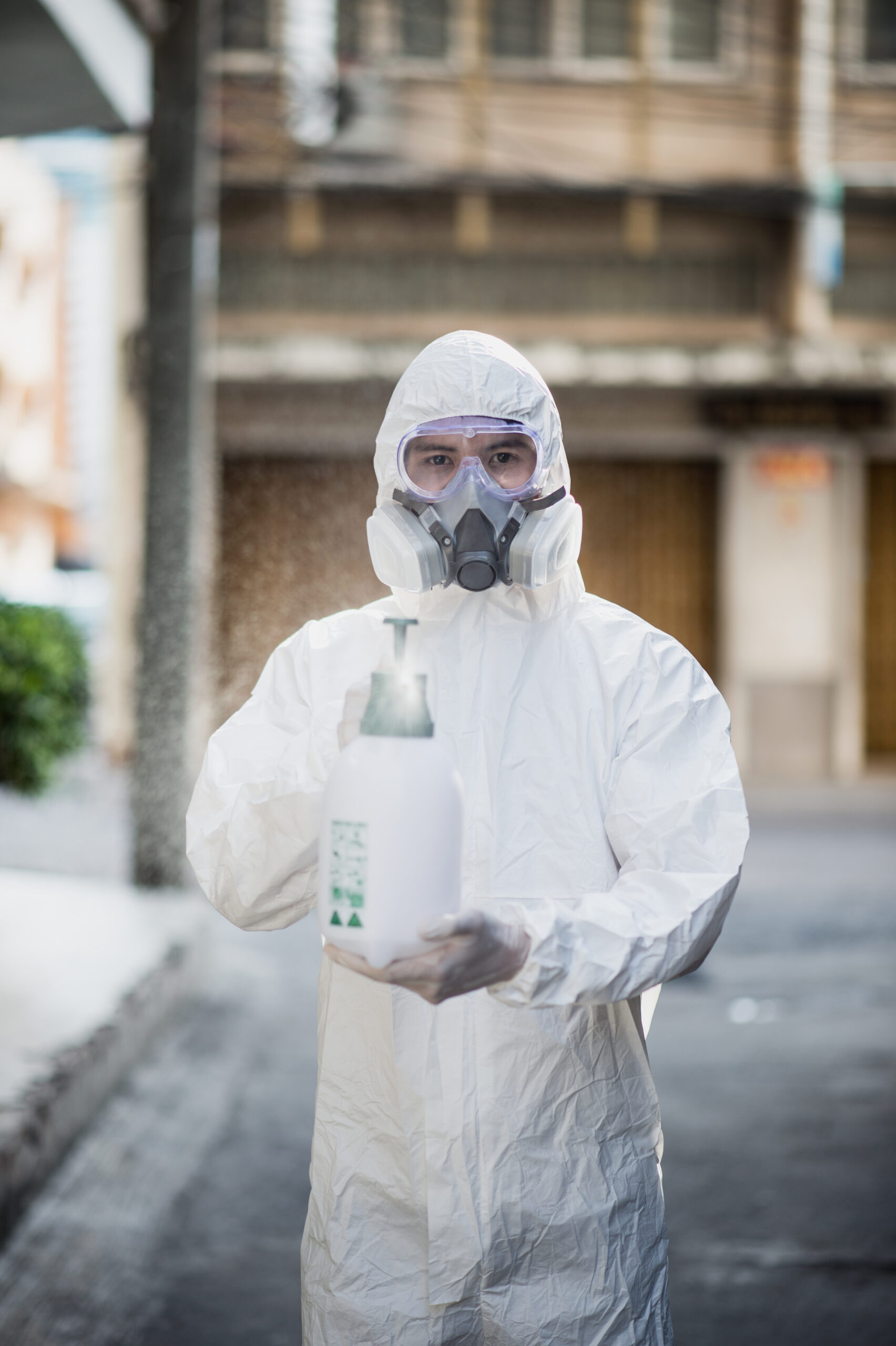
Lysol is a household staple primarily designed as a disinfectant to eliminate 99.9% of viruses and bacteria. However, when faced with a sudden cockroach sighting, many homeowners reach for the nearest spray bottle as a makeshift weapon. While Lysol can indeed kill a cockroach, understanding how it works—and its limitations—is essential for effective pest management.
How Lysol Kills Cockroaches
Lysol is not an insecticide; it is a cleaning agent containing active ingredients like ethanol, isopropyl alcohol, and benzalkonium chloride. It kills cockroaches through two primary mechanisms:
- Suffocation: Cockroaches breathe through small holes in their abdomen called spiracles. When a cockroach is saturated with a liquid cleaner like Lysol, the solution clogs these breathing pores, leading to rapid suffocation.
- Chemical Toxicity: The high concentration of alcohol and surfactants in Lysol can break down the protective waxy layer of the cockroach’s exoskeleton. Once this barrier is breached, the chemicals enter the insect’s system, disrupting its internal functions and causing death.
The Limitation: Direct Contact is Mandatory
The most significant drawback to using Lysol for pest control is that it lacks residual toxicity. Unlike professional roach sprays, Lysol only works if the liquid is sprayed directly onto the insect while it is active. Once the spray dries on a surface, it is no longer lethal to cockroaches walking over it. Because cockroaches are nocturnal and expert hiders, relying on direct contact means you are only addressing the pests you see, not the hundreds that may be nesting behind walls or appliances.
Risks and Safety Considerations
Using Lysol as a primary pest control method carries certain risks. Over-spraying can lead to the inhalation of strong fumes, which may irritate the respiratory systems of humans and pets. Furthermore, Lysol is flammable due to its alcohol content; spraying it near pilot lights, stoves, or electrical outlets creates a fire hazard. There is also the risk of damaging furniture finishes or staining fabrics if the product is used excessively in non-recommended areas.
More Effective Alternatives
If you are dealing with a localized infestation, specialized products offer better long-term results:
- Gel Baits: These contain slow-acting poisons that roaches carry back to the nest, eliminating the colony at the source.
- Boric Acid: A low-toxicity powder that destroys the digestive system and exoskeleton of roaches over time.
- Insect Growth Regulators (IGRs): These prevent juvenile roaches from reaching reproductive maturity, breaking the infestation cycle.
Conclusion
In an emergency, Lysol can serve as an effective “contact kill” agent to stop a single cockroach in its tracks. However, it is not a viable solution for eradicating an infestation. For a clean and pest-free home, Lysol should be reserved for its intended purpose—disinfecting surfaces—while dedicated pest control methods are used to manage the insects themselves.
