

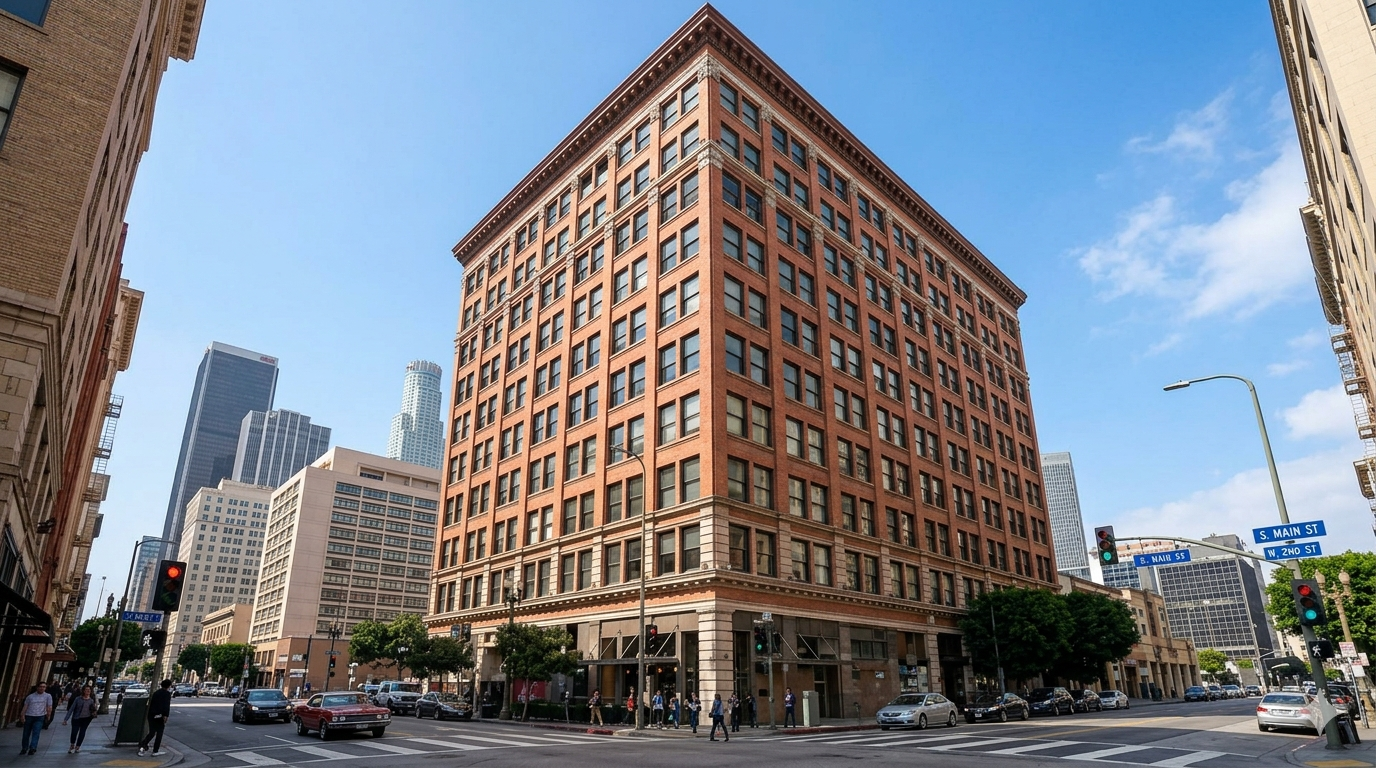
Introduction to Higgins Building Downtown LA
If you have ever walked through the historic core of Downtown Los Angeles, chances are you have noticed a building that feels like it belongs to another era yet still breathes modern life. The Higgins Building in Downtown LA is exactly that kind of place. It is not just another structure in a city filled with skyscrapers. It is a story carved in concrete, marble, and time.
Located at 108 West 2nd Street, this iconic building has stood proudly since 1910, witnessing more than a century of transformation in Los Angeles. What makes it truly fascinating is how it bridges the past and present. Originally designed as an office building, it has evolved into a vibrant residential and cultural hub, proving that architecture can adapt without losing its soul.
You might wonder why this building continues to attract attention in a city known for constant reinvention. The answer lies in its character. From its Beaux-Arts design to its modern loft conversions, the Higgins Building offers a unique blend of history and urban lifestyle that few places can match.
The Rich History Behind Higgins Building
Origins in the Early 20th Century
The Higgins Building was completed in 1910, during a time when Los Angeles was still shaping its identity as a major city. It was commissioned by Thomas Higgins, a copper magnate who sought to create something both functional and prestigious.
At the time of its construction, the building was considered groundbreaking. It was one of the tallest concrete structures in downtown LA, standing ten stories high. Interestingly, it was initially planned as an eight-story building, but two extra floors were added during construction to enhance its prominence.
A Hub for Business and Innovation
In its early years, the Higgins Building served as a bustling office space. It housed a variety of tenants, including engineers, architects, and even prominent legal figures. Its design incorporated natural ventilation and light, which was considered innovative for its time.
The building quickly became a symbol of progress. With marble-lined hallways, mosaic tiles, and refined architectural details, it attracted businesses looking for prestige and functionality. It was not just a workplace but a statement of ambition and growth.
Architectural Brilliance of the Higgins Building
Beaux-Arts Design Elements
One of the most striking features of the Higgins Building is its Beaux-Arts architectural style. This design approach emphasizes grandeur, symmetry, and intricate detailing. Walking into the building feels like stepping into a different century.
Inside, you will find:
- Marble hallways that reflect elegance
- Mosaic tile floors that add artistic charm
- Zinc-lined doors and window frames
- Ornate ironwork that showcases craftsmanship
These elements have been preserved over time, allowing visitors and residents to experience the building’s original beauty.
Innovative Construction Techniques
The Higgins Building was also ahead of its time in terms of engineering. It used reinforced concrete, which was relatively new at the time. This not only made the building stronger but also allowed for larger windows and more open interior spaces.
This innovation played a key role in shaping the skyline of Downtown Los Angeles. The building demonstrated that concrete could be both functional and aesthetically pleasing, paving the way for future developments.
Transformation Into Modern Loft Living
From Offices to Residential Lofts
By the late 20th century, the Higgins Building had fallen into disrepair. Like many historic structures, it faced the threat of being forgotten. However, a major renovation between 1998 and 2006 changed its fate.
The building was converted into residential lofts, giving it a new purpose while preserving its historical essence. Today, it features around 135 live and work loft units, each designed to maintain the building’s original character.
Features of Modern Higgins Lofts
Living in the Higgins Building is not just about having a place to stay. It is about experiencing a lifestyle. The lofts offer:
- High ceilings and large windows
- Polished concrete floors
- Exposed structural elements
- Modern kitchens with stainless steel appliances
These features create a perfect blend of industrial design and contemporary comfort.
The Edison: A Hidden Gem Inside
One of the most intriguing aspects of the Higgins Building is what lies beneath it. The basement houses The Edison, a unique nightlife venue that adds a whole new dimension to the building.
Originally, this space was the city’s first private power plant. It has since been transformed into a steampunk-themed bar and entertainment venue.
Walking into The Edison feels like stepping into a cinematic world. With vintage machinery, dim lighting, and live performances, it offers an experience unlike any other in Los Angeles.
Location Advantage in Downtown Los Angeles
Heart of the Historic Core
The Higgins Building is located in the Historic Core of Downtown LA, one of the most vibrant and culturally rich areas of the city. It is surrounded by iconic landmarks, restaurants, and entertainment venues.
Being in this location means you are never far from action. Whether it is dining, shopping, or nightlife, everything is within walking distance.
Nearby Attractions
Some notable attractions near the Higgins Building include:
- Los Angeles City Hall
- Historic Broadway Theater District
- Grand Central Market
- Walt Disney Concert Hall
This central location makes the building highly desirable for residents and visitors alike.
Why Higgins Building Stands Out Today
A Blend of Old and New
What makes the Higgins Building truly special is its ability to balance history with modern living. It does not try to erase its past. Instead, it embraces it while offering contemporary comforts.
This balance is rare. Many buildings either remain stuck in the past or lose their identity in modernization. The Higgins Building manages to do both beautifully.
Cultural and Historical Significance
The building has been designated as a historic cultural monument and was added to the National Register of Historic Places in 2023.
This recognition highlights its importance not just as a building but as a piece of Los Angeles history. It represents a time when the city was growing and redefining itself.
Comparison: Then vs Now
| Feature | Early 1900s | Today |
|---|---|---|
| Purpose | Office building | Residential lofts |
| Design | Beaux-Arts | Preserved with modern upgrades |
| Technology | Natural ventilation | Modern appliances and systems |
| Usage | Business hub | Live, work, and entertainment space |
| Basement | Power plant | The Edison nightlife venue |
This transformation shows how adaptive reuse can breathe new life into historic structures.
Real Estate Value and Investment Appeal
The Higgins Building is not just a historical landmark. It is also a valuable real estate asset. Properties here are highly sought after due to their unique character and prime location.
Buyers and renters are drawn to:
- Authentic historic architecture
- Central downtown location
- Limited availability of units
- Strong cultural appeal
For investors, this makes the building a compelling opportunity. It combines heritage with modern demand, creating a stable and attractive market.
Living Experience in Higgins Building
Living in the Higgins Building is like being part of a living museum. Every hallway, every detail tells a story. Yet, it does not feel outdated. Instead, it feels vibrant and alive.
Residents often describe the experience as inspiring. The combination of history, design, and urban energy creates an environment that is both creative and comfortable.
It is the kind of place where you can wake up surrounded by history and step out into one of the most dynamic neighborhoods in Los Angeles.
Conclusion
The Higgins Building in Downtown LA is more than just a historic structure. It is a symbol of transformation, resilience, and timeless design. From its origins in 1910 to its modern-day role as a residential and cultural hub, it continues to evolve while preserving its identity.
In a city known for constant change, the Higgins Building stands as a reminder that history and progress can coexist beautifully. Whether you are an architecture enthusiast, a potential resident, or simply curious about Los Angeles landmarks, this building offers something truly special.
FAQs
1. When was the Higgins Building built?
The Higgins Building was completed in 1910 and remains one of the oldest structures in Downtown Los Angeles.
2. What is the architectural style of the Higgins Building?
It is designed in the Beaux-Arts style, known for its grandeur and detailed craftsmanship.
3. Is the Higgins Building still used today?
Yes, it has been converted into residential lofts and also features a popular nightlife venue called The Edison.
4. Where is the Higgins Building located?
It is located at 108 West 2nd Street in Downtown Los Angeles, within the Historic Core.
5. Why is the Higgins Building famous?
It is for its historic significance, architectural beauty, and successful transformation into modern loft living.
