

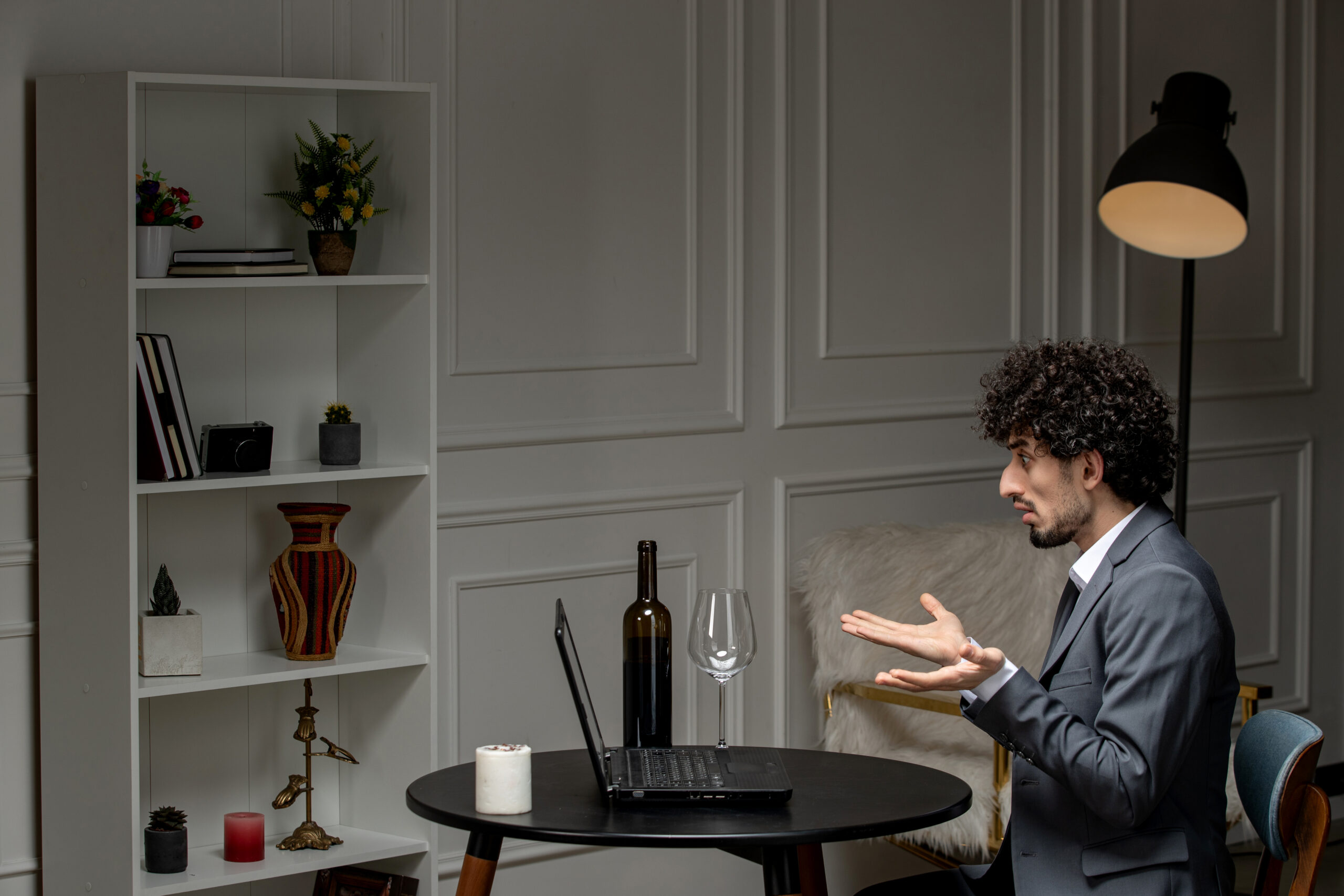
Designing a workspace that feels both powerful and grounded requires a careful balance of elements. A rustic masculine office does exactly that—it blends the rugged charm of the outdoors with the structured focus of a professional environment. Whether you are carving out a corner in your home or redesigning a corporate suite, this style offers a timeless aesthetic that promotes productivity and comfort.
Here is how to bring the warmth of the wilderness into your workspace.
1. Introduction to Rustic Masculine Offices
The concept of a “rustic masculine” office is rooted in authenticity. It moves away from the sterile, high-gloss finishes of ultra-modern design and embraces imperfections, history, and raw beauty. This style evokes the feeling of a mountain cabin, an old library, or an industrial loft. It is characterized by sturdy furniture, unrefined textures, and a general sense of warmth. It is a space designed not just for working, but for thinking deep thoughts and making big decisions.
2. Natural Materials and Textures
The backbone of any rustic design is the use of natural materials. To achieve a masculine edge, focus on raw and substantial elements.
- Stone and Brick: Exposed brick walls or a stone fireplace feature add instant history and grit to the room.
- Leather: Distressed leather is essential. It looks better with age and adds a layer of sophistication.
- Metal: Iron, copper, and blackened steel provide a necessary contrast to the softer organic materials, introducing an industrial vibe.
- Textiles: Incorporate wool, canvas, or animal hides (faux or real) to soften the hard edges of the room without making it feel cluttered.
3. Wooden Desks and Shelves
In a rustic office, the desk is the captain’s chair—it needs to command attention.
- The Desk: Look for live-edge wood slabs, reclaimed barn wood, or heavy oak desks. The imperfections in the wood grain—knots, cracks, and variations in color—are what make the piece beautiful. A “waterfall” edge desk or a trestle table works beautifully here.
- Shelving: Move away from standard white bookcases. Install floating shelves made of thick, stained timber supported by black iron pipes. Alternatively, floor-to-ceiling built-in wooden cabinets can create a library feel, perfect for displaying books and collectibles.
4. Earth-Tone Color Palettes
The color scheme should be drawn directly from nature. Avoid bright, neon colors in favor of moody, deep hues.
- Base Colors: Start with warm browns, charcoal grays, and deep creams.
- Accents: Introduce forest greens, navy blues, or burnt oranges (rust).
- Walls: Don’t be afraid of dark walls. A deep slate grey or a dark espresso feature wall can make the space feel enclosed and focused, enhancing the “man cave” atmosphere.
5. Rustic Lighting Fixtures
Lighting sets the mood. Harsh fluorescent lights kill the rustic vibe instantly.
- Pendants and Chandeliers: Look for fixtures made from wrought iron, antlers, or repurposed wood beams. Edison bulbs are a fantastic choice because their exposed filaments offer a warm, amber glow that complements wood tones.
- Task Lighting: A vintage metal desk lamp in brass or matte black provides focused light for work while acting as a decor piece.
6. Wall Décor and Artwork
What you put on the walls defines the personality of the office.
- Maps and Blueprints: Vintage maps or framed architectural blueprints add an intellectual and exploratory touch.
- Nature Photography: Black and white photographs of landscapes, mountains, or forests reinforce the connection to the outdoors.
- Taxidermy (Optional): For a traditional lodge look, ethically sourced antlers or mounts are classic. If that isn’t your style, geometric wooden art pieces or metal wall sculptures work equally well.
7. Cozy Seating Options
While the desk chair needs to be ergonomic, guest seating or a reading corner should focus on comfort.
- The Chesterfield Sofa: Nothing says “classic masculine” like a tufted leather Chesterfield sofa in a cognac or oxblood color.
- Armchairs: A pair of oversized wingback chairs placed near a window or fireplace creates a perfect spot for reading briefs or taking a break. Add a plaid throw blanket for texture.
8. Blending Rustic with Modern
You don’t want your office to look like a museum set piece; it needs to be functional for the 21st century.
- Tech Integration: Hide cords and cables. Use wooden boxes or leather trays to conceal routers and chargers.
- Modern Lines: You can mix a heavy rustic desk with a sleek, modern ergonomic mesh chair. The contrast often highlights the beauty of both pieces.
- Minimalism: Keep the clutter down. Rustic styles can become messy if overfilled. Let the textures speak for themselves by keeping surfaces relatively clear.
9. Home vs. Corporate Rustic Offices
- Home Office: You have more freedom here. You can go heavier on personal items, darker colors, and softer textures like rugs and drapes. It can be a true sanctuary.
- Corporate Office: In a shared building, you may need to tone it down. Focus on one or two statement pieces—like a reclaimed wood conference table or a leather sofa in the waiting area—while keeping the rest of the space bright and professional to accommodate clients and staff.
10. Styling and Maintenance Tips
- Scent: The smell of the room contributes to the ambiance. Use candles or diffusers with notes of sandalwood, cedar, tobacco, or leather.
- Greenery: Add life to the room with low-maintenance plants like a Snake Plant or a Fiddle Leaf Fig. The green pops beautifully against brown wood and leather.
- Wood Care: Rustic wood often needs moisture. Treat your desk and shelves with wood oil or wax every few months to prevent them from drying out or cracking further than intended.
By combining these elements, you can create a workspace that feels robust, established, and inspiring—a place where the rugged outdoors meets professional ambition.
