

Introduction to Disposable Glass
Disposable glass has become a part of everyday life. From sipping coffee on the way to work to serving drinks at a birthday party, it is everywhere. You probably use it without thinking twice. But have you ever wondered what makes disposable glass so popular and what impact it has on the world around us?
What Is a Disposable Glass
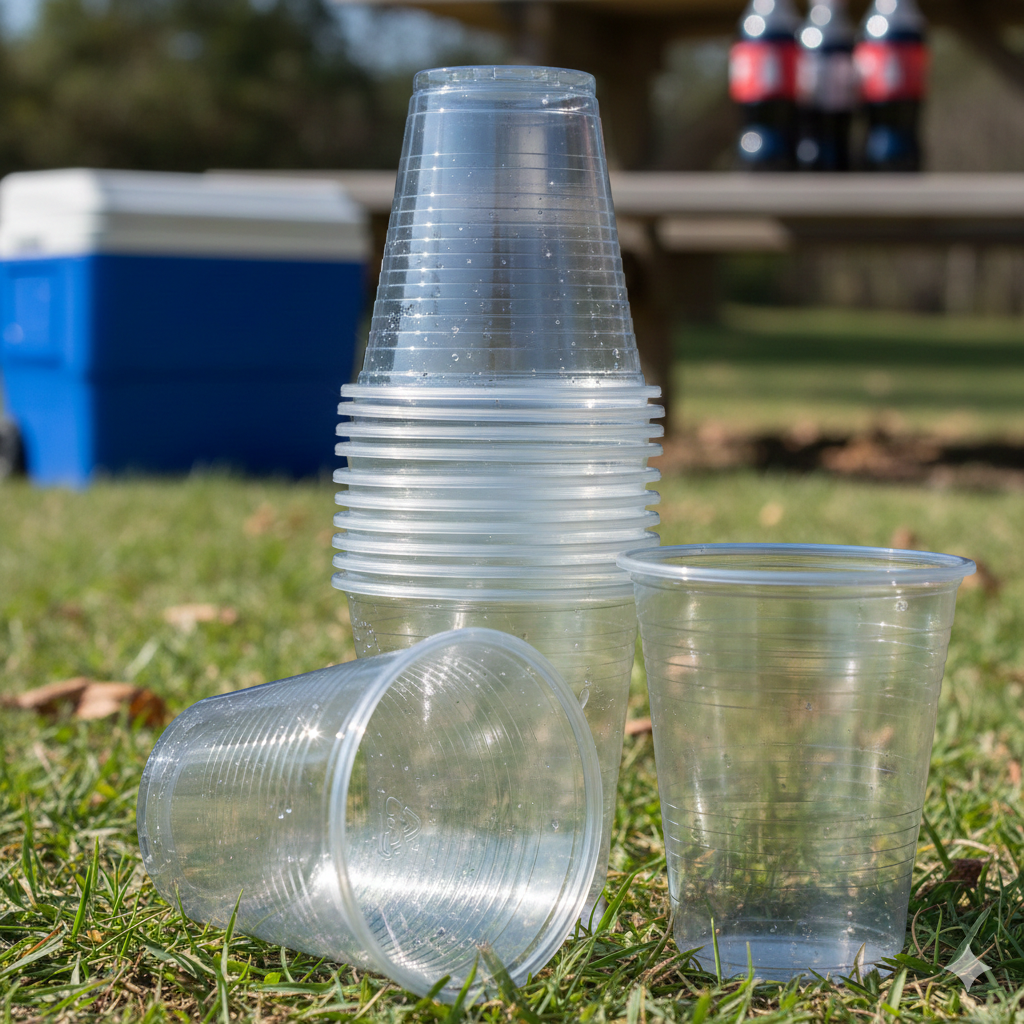
A disposable glass is a single use container designed to hold beverages like water, tea, coffee, juice, or soft drinks. Once used, it is usually thrown away instead of being washed and reused. These glasses are made from materials like paper, plastic, foam, or biodegradable compounds.
Why Disposable Glasses Are Widely Used
The main reason behind their popularity is convenience. There is no need to wash them, store them, or worry about breakage. They are hygienic, easy to carry, and perfect for busy lifestyles.
History and Evolution of Disposable Glass
Disposable glasses did not appear overnight. They evolved as society changed and demanded faster and easier solutions.
Early Use of Single Use Drinkware
The concept of single use cups became popular in the early twentieth century. Concerns about hygiene and disease spread pushed people toward disposable options, especially in public places.
Growth of Disposable Culture
As fast food chains, offices, and large scale events grew, so did the demand for disposable glass. It became a symbol of modern convenience.
Types of Disposable Glass
Not all disposable glasses are the same. Different materials serve different purposes.
Paper Disposable Glass
Paper glasses are commonly used for hot beverages.
Wax Coated Paper Glass
These glasses have a thin wax layer that prevents leaks. They are affordable but not easy to recycle.
PLA Lined Paper Glass
PLA lining is plant-based and considered more eco friendly. These glasses are often compostable under proper conditions.
Plastic Disposable Glass
Plastic glasses are lightweight and transparent. They are popular for cold drinks but raise serious environmental concerns due to slow decomposition.
Biodegradable and Compostable Glass
These are made from materials like cornstarch or sugarcane fiber. They break down faster and are considered a better alternative.
Foam and Other Materials
Foam glasses provide insulation but are harmful to the environment and are banned in many regions.
Manufacturing Process of Disposable Glass
Understanding how disposable glass is made helps us understand its impact.
Raw Materials Used
Paper pulp, plastic resin, plant fibers, and additives are commonly used depending on the type of glass.
Production Steps Explained
The process usually involves shaping, coating, drying, and quality checks before packaging and distribution.
Common Uses of Disposable Glass
Disposable glasses are used across many sectors.
Food and Beverage Industry
Restaurants, cafes, and street vendors rely heavily on disposable glass for quick service.
Events and Parties
Large gatherings prefer disposable glasses to reduce cleanup time and avoid breakage.
Offices and Institutions
Many offices use disposable glasses for visitors and meetings.
Travel and Outdoor Activities
Picnics, camping trips, and travel kits often include disposable glasses for ease.
Advantages of Disposable Glass
There is a reason these glasses are everywhere.
Convenience and Hygiene
Using a fresh glass every time reduces the risk of contamination.
Cost Effectiveness
For large scale use, disposable glasses are often cheaper than reusable ones.
Lightweight and Portable
They are easy to transport and store, making them ideal for events.
Disadvantages of Disposable Glass
Despite the benefits, there are downsides.
Environmental Concerns
Most disposable glasses end up in landfills and take years to decompose.
Waste Management Issues
Improper disposal leads to pollution and clogged waste systems.
Environmental Impact of Disposable Glass
The environmental footprint cannot be ignored.
Pollution and Landfills
Disposable glasses contribute significantly to solid waste.
Carbon Footprint
Manufacturing and transportation increase carbon emissions.
Impact on Wildlife
Plastic waste often harms animals and marine life.
Disposable Glass vs Reusable Glass
Which one is better depends on usage.
Comparison of Cost
Disposable glasses are cheaper short term, while reusable glasses save money over time.
Comparison of Environmental Impact
Reusable glasses are more eco friendly when used responsibly.
Practical Use Cases
Disposable glass suits short term needs, while reusable glass fits daily use.
Role of Disposable Glass in Modern Lifestyle
Modern life demands speed and efficiency.
Urban Living and Fast Pace Life
People value quick solutions, and disposable glass fits perfectly.
Demand from Food Delivery Services
Online food delivery has increased the use of disposable packaging.
Innovations in Disposable Glass
The industry is evolving.
Eco Friendly Materials
Manufacturers are investing in sustainable materials.
Smart and Sustainable Designs
Better insulation and reduced material use are key trends.
Regulations and Bans on Disposable Glass
Governments are stepping in.
Government Policies
Many regions have restricted plastic based disposable glasses.
Global Trends and Initiatives
There is a global push toward sustainability.
How to Choose the Right Disposable Glass
Choosing wisely makes a difference.
Based on Beverage Type
Hot drinks need insulated paper glasses, while cold drinks suit plastic or biodegradable options.
Based on Material and Size
Always match the glass to your needs.
Proper Disposal and Recycling Tips
Responsible use matters.
Recycling Guidelines
Check local recycling rules before disposal.
Composting Options
Compostable glasses need proper facilities to break down.
Future of Disposable Glass
The future looks greener.
Shift Toward Sustainability
Eco friendly alternatives are gaining popularity.
Consumer Awareness and Responsibility
Informed choices can reduce environmental harm.
Conclusion
Disposable glass plays a major role in our daily lives. It offers convenience, hygiene, and efficiency, especially in fast moving environments. However, it also brings environmental challenges that cannot be ignored. The key lies in balanced use, choosing sustainable options, and disposing of them responsibly. Small changes in our habits can lead to a big impact.
Frequently Asked Questions
1. Are disposable glasses safe for hot drinks
Yes, paper disposable glasses designed for hot beverages are safe when used properly.
2. Can disposable glasses be recycled
Some can be recycled, but it depends on the material and local recycling facilities.
3. What is the most eco friendly disposable glass
Compostable glasses made from plant based materials are considered the most eco friendly.
4. Why are plastic disposable glasses harmful
They take a long time to decompose and often end up polluting the environment.
5. Is reusable glass always better than disposable
Reusable glass is better for the environment when used multiple times and cleaned responsibly.
